
alt text

10kW Solar System

High Capacity 10kW Solar System for Australian Homes with Reliable Energy Performance

alt text

A 10kW Solar System is one of the most popular choices for Australian households with higher electricity usage and growing energy demands. It offers a strong balance between solar generation capacity, household energy coverage, and long-term savings potential.

For many larger homes, a 10kW Solar System for Australian Home energy usage can help support air conditioning, electric appliances, EV charging, and daytime household consumption more effectively than smaller systems.

alt text

How a 10kW Solar System Supports High Electricity Usage Households?

A properly designed 10kW Solar Panel System can generate a substantial amount of electricity throughout the day, helping households reduce grid reliance and improve solar self-consumption. It is one of the more popular Residential Solar System sizes for larger Australian homes with growing energy demands.

What Does a 10kW Solar System Mean for Your Home?

In simple terms, a 10kW Solar System is designed to produce enough daytime electricity for homes with moderate to high energy usage.

Depending on location, weather conditions, and roof orientation, these systems may generate approximately:

  • 35-45kWh per day in many Australian regions
  • Higher output during summer months
  • Reduced output during cloudy or winter conditions

A 10kW Solar System for Home Use Is Commonly Suitable For:

  • Large families
  • Multi-story homes
  • EV owners
  • Homes with swimming pools
  • Properties with heavy air conditioning use

Compared with smaller systems, a 10kW setup provides greater flexibility for households with increasing electricity demands.

Typical Electricity Usage Pattern It Is Designed For

Higher-capacity systems are generally designed around households using significant electricity throughout the day and evening.

Morning and Evening Peak Usage Handling

Many homes experience heavier electricity consumption:

  • Before work and school
  • During evening cooking and cooling periods
  • Overnight through connected appliances

High Load Appliances Like Air Conditioning, Pool Pumps, Dryers, EV Charging

Energy-intensive appliances can quickly increase electricity demand, especially during Australian summers.

Common high-usage appliances include:

  • Ducted air conditioning
  • Pool filtration systems
  • Clothes dryers
  • Electric vehicle chargers
  • Electric hot water systems

Daytime vs Night-Time Usage Balance

Homes using more electricity during daylight hours often benefit most from solar generation because energy can be used directly as it is produced.

10kW Solar System with battery and How Battery Storage Changes Home Energy Usage?

Adding Solar Battery System changes how households use solar energy throughout the day and night.

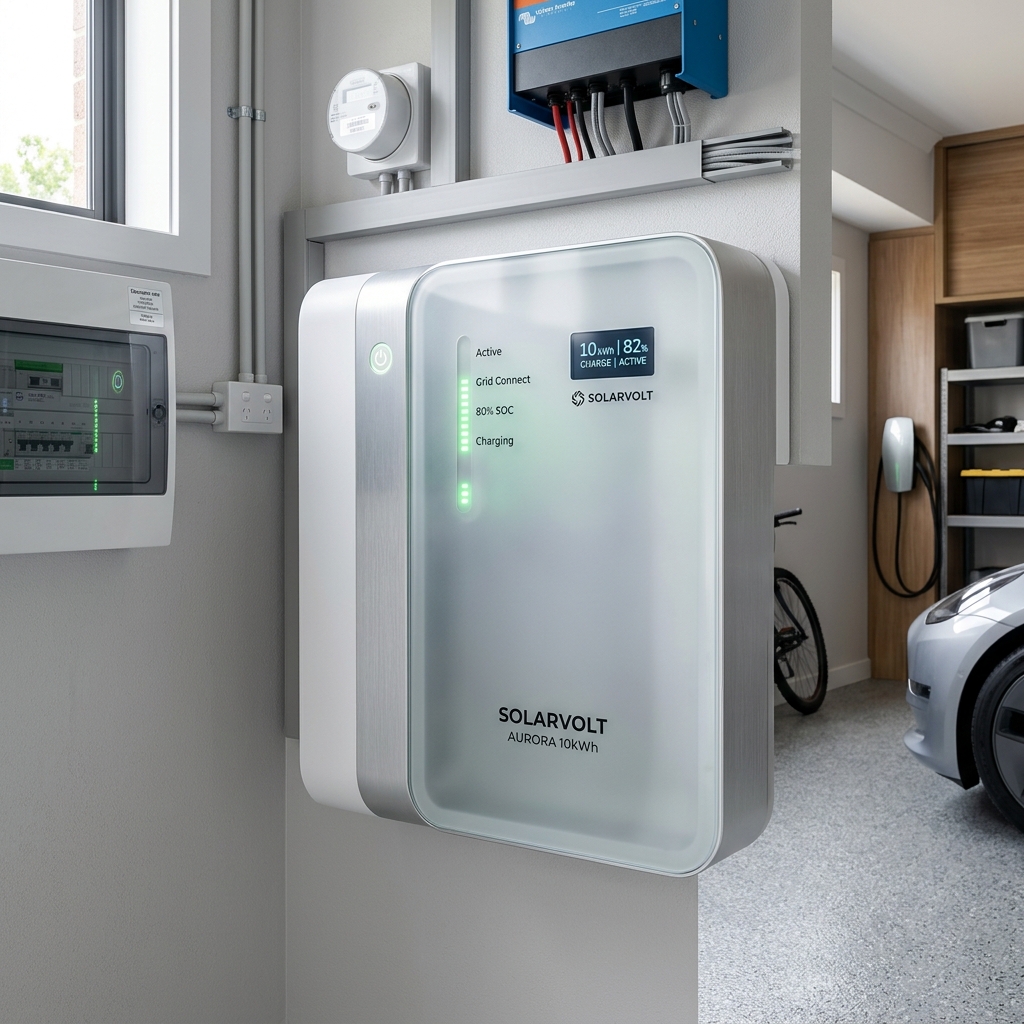
A 10kW Solar System with battery storage allows homeowners to store excess daytime solar generation for later evening use instead of exporting all unused electricity back to the grid.

Day and night energy usage model

Battery storage creates a more balanced household energy flow.
Daytime Solar Usage Directly Powering Appliances

During the day:

  1. Solar panels generate electricity
  2. Household appliances use available solar power first
  3. Excess electricity charges the battery

Battery Usage During Evening Peak Hours

Once solar generation drops, stored battery energy can help power:

  • Lighting
  • Refrigeration
  • Internet systems
  • Entertainment devices
  • Selected appliances during evening hours

Reduced Dependence on Electricity Grid

Battery storage helps reduce electricity imports during peak pricing periods when retailer electricity rates are often highest.

alt text

Backup Support During Power Interruptions

alt text

Some battery systems can also provide limited backup support during outages depending on the installation setup.

How Battery Helps During Outages?

Stored energy may continue powering selected household circuits during grid interruptions.

Which Essential Appliances Can Run on Backup

Backup support commonly prioritises:

  • Refrigerators
  • Lighting
  • Internet and communication devices
  • Medical equipment
  • Selected power outlets

Home Safety and Comfort Benefits

Backup capability can improve household comfort and energy continuity during:

  • Storm-related outages
  • Grid interruptions
  • Planned maintenance events
alt text

Smart Energy Management in Modern Homes

alt text

Modern solar and battery systems are designed to automatically manage energy flow between solar panels, battery storage, and electricity grid.

Automatic Switching Between Solar, Battery, and Grid

Energy management systems automatically determine where electricity should be sourced from based on:

  • Solar generation
  • Battery charge levels
  • Household demand

Efficient Use of Generated Solar Energy

A 10kW Solar System with battery integration helps maximise solar self-consumption by storing excess daytime energy for later use.

Reduced Energy Wastage

Battery storage reduces the amount of unused solar electricity exported immediately to the grid.

Benefits of a 10kW Solar System for Australian Home Owners

A 10kW Solar System for Australian Home energy usage can offer several long-term benefits.

Reduced Monthly Electricity Bills Over Time

Generating more household electricity onsite may reduce reliance on retailer-supplied power.

Better Control Over Rising Energy Costs

Solar and battery storage can help households manage changing electricity pricing more effectively.

More Self-Generated Energy Usage

Larger systems support greater solar self-consumption, especially when combined with battery storage.

alt text

How Alpha Solar Helps with 10kW Solar Planning?

alt text

Alpha Solar focuses on helping homeowners understand which system size best suits their household energy usage and future plans.

Understanding Your Home Energy Requirements

Every household uses electricity differently, so system sizing should match real usage patterns.

Household Usage Evaluation Process

Energy bills and appliance usage are assessed to understand electricity demand throughout the day.

Identifying Suitable System Size

Factors considered include:

  • Household occupancy
  • Air conditioning usage
  • EV charging needs
  • Future energy goals

Matching Solar + Battery Combination Based on Usage

Battery recommendations are tailored around evening electricity demand and solar generation patterns.

alt text

Custom System Design Approach

alt text

Roof Space and Orientation Check

Roof angle, shading, and available installation space all affect system performance.

Panel Placement Planning

Proper panel placement helps maximise solar generation efficiency across changing sunlight conditions.

Battery Sizing Guidance Based on Consumption

Battery recommendations focus on household usage habits rather than oversized generic packages.

Installation Process from Start to Finish

A proper 10kw solar system installation involves several stages to ensure safety and long-term performance.

01

Site Inspection and System Design

The property is assessed for:

  • Roof suitability
  • Electrical compatibility
  • Energy usage patterns
02

Installation Timeline Overview

Most residential systems are installed within one or two days depending on complexity.

03

Connection and Testing Process

According to SAA guidelines, systems should be tested and installed by qualified professionals following Australian standards.

Plan Your 10kW Solar System

If you are considering a 10kW Solar System for Home energy management or exploring a 10kW Solar System with battery setup, Alpha Solar can help you assess the right configuration for your property and long-term energy needs.

Explore Your Options

Speak with the Alpha Solar team about solar and battery planning for your home.

Contact Us Today

FAQ'S

A typical 10kW Solar System in Australia may include around 22 to 28 solar panels depending on panel wattage and system design.

A 10kW Solar System is generally better suited to larger households, homes with high daytime electricity usage, EV charging, swimming pools, or heavy air conditioning use.

Most 10kW Solar Panel Systems require approximately 45–60 square metres of usable roof space, depending on panel size and layout.

Yes, many homeowners use a 10kW Solar System to help support daytime EV charging alongside normal household electricity consumption.

Yes, solar generation can vary based on sunlight hours, cloud cover, roof orientation, shading, and seasonal weather conditions.

Many modern systems are battery-ready, allowing homeowners to add battery storage later as energy usage and household requirements change.