Reducing Dependence on the Electricity Grid
Battery storage allows households to use more of their own solar-generated electricity rather than relying entirely on retailer-supplied power.


30kWh Solar Battery
A 30kWh solar battery is designed for Australian households with larger energy demands, extended evening electricity usage, and long-term energy planning goals. As more homes adopt electric vehicles, smart appliances, and fully electric systems, higher-capacity battery storage is becoming increasingly relevant for managing modern energy consumption.
For households looking to maximize solar self-consumption and improve energy flexibility, a 30kWh solar battery Australia solution can provide larger storage reserves and longer usage support compared to smaller residential batteries.
A 30kWh solar battery stores a substantial amount of usable electricity that can support a wide range of household activities throughout the evening and overnight.
Electricity usage varies between homes, but larger households commonly consume more energy through:
A larger battery capacity allows more stored solar energy to remain available during these high-demand periods.
A 30kWh solar battery may help support:
Smaller batteries often require more careful energy management. A larger storage system offers greater flexibility by supporting longer periods of household electricity use without immediate grid reliance.

Not every property requires large-scale battery storage. However, certain households may benefit more from a higher-capacity system.
Larger households with multiple occupants often use more electricity across longer periods of the day and evening.
As EV ownership increases across Australia, household electricity demand is also changing. Charging an EV alongside normal household usage can significantly increase energy consumption.
Homes using most of their electricity after sunset may benefit from larger battery reserves to reduce evening grid imports.

One reason homeowners choose a 30kWh solar battery system is to improve energy flexibility and reduce dependence on traditional electricity supply patterns.
Battery storage allows households to use more of their own solar-generated electricity rather than relying entirely on retailer-supplied power.
Electricity rates are often highest during evening peak demand periods. Stored solar energy can help reduce exposure to these higher pricing windows.
Larger batteries increase the amount of excess daytime solar energy that can be stored for later use instead of exported immediately to the grid.
Battery storage can also provide additional energy reliability during outages and grid interruptions.
Depending on system design and household usage, a 30kWh solar battery may support essential appliances for extended periods during outages.
Backup systems are commonly configured to prioritise:
Some homeowners install larger batteries to improve energy continuity during:

Battery size should align with actual solar production and household energy usage.
A larger battery generally works best when paired with sufficient solar generation capable of charging the system effectively during the day.
Oversized storage without enough solar production may reduce overall system efficiency and long-term value.
The ideal balance depends on:
Alpha Solar helps homeowners assess whether a solar battery system suits their current and future energy needs.
A proper 30kWh Solar battery Installation requires careful planning around safety, compatibility, and available installation space.
Larger battery systems may require:
Some homes may require:
According to SAA guidance, battery installations should always follow Australian safety standards and be completed by qualified professionals.
Battery placement depends on:
Modern systems often include monitoring tools that allow homeowners to track:
According to SAA guidance, battery installations should always follow Australian safety standards and be completed by qualified professionals.

Household electricity demand is expected to continue increasing as homes become more electrified.
Battery storage may help households better manage future electricity pricing changes and reduce peak energy imports.
Future electricity demand may increase through:
A 30kWh solar battery Australia setup can support long-term energy planning by improving household energy flexibility and solar self-consumption.
Battery rebates and clean energy incentives continue evolving across Australian states and federal programs.
Some renewable energy initiatives may provide indirect support through financing or clean energy policies.
Depending on location, homeowners may access:
Eligibility may depend on:
Homeowners should check current government programs for updated rebate details.
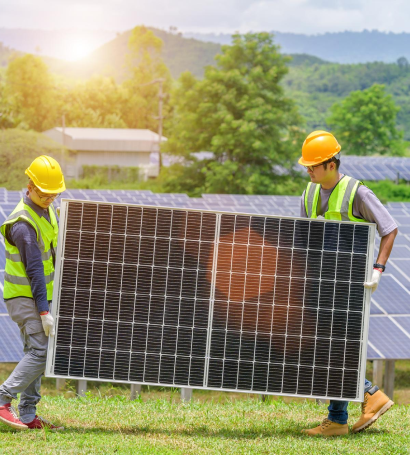
Alpha Solar provides personalized guidance based on actual household energy usage and future electricity goals.
We focus on helping homeowners understand battery sizing, compatibility, and long-term energy planning through practical advice.
From consultation to system setup, Alpha Solar supports homeowners through every stage of the battery installation process.
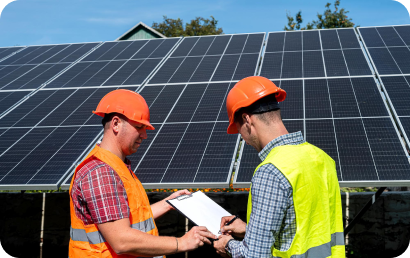
A 30kWh solar battery can help larger Australian households improve solar self-consumption, support future energy needs, and strengthen long-term energy flexibility.
Contact Alpha Solar to explore whether a high-capacity battery solution aligns with your property, lifestyle, and future energy goals.
Speak with the Alpha Solar team to explore the right solar and battery options for your home.
Contact Us TodayA larger battery system allows households to store more unused daytime solar energy for later use during the evening, overnight, or higher electricity demand periods instead of exporting excess power directly to the grid.
Homes with larger families or multi-generational living arrangements often use electricity across longer periods of the day, which may make higher-capacity battery storage more relevant for managing ongoing energy demand.
A 30kWh solar battery Australia setup may help households better manage EV charging alongside regular household electricity usage, depending on charging behaviour, solar generation, and battery usage patterns.
Depending on energy usage and system configuration, a larger battery may help support refrigeration, lighting, communication systems, air conditioning, entertainment devices, and selected household appliances during non-solar hours.
Battery storage performs most effectively when enough daytime solar generation is available to charge the system properly. Balancing solar production with storage capacity helps improve long-term system efficiency and energy usage.
Installation planning may include reviewing available space, ventilation requirements, electrical compatibility, switchboard capacity, inverter suitability, and overall property layout before installation begins.
Depending on system design and backup configuration, a 30kWh solar battery may help support selected essential circuits and appliances during outages or planned maintenance interruptions.
As households adopt electric vehicles, smart appliances, and additional electric systems, larger battery storage may provide greater flexibility for managing future increases in electricity consumption.
Battery incentives, financing programs, and virtual power plant opportunities may vary across Australian states and territories depending on current government policies and eligibility requirements.
Some households prefer larger storage capacity to support longer energy usage periods, improve flexibility during peak electricity pricing, manage higher daily consumption, and prepare for future electrification needs.